If you live in Wittmann, AZ, you already know the desert is hard on everything outdoors, cars, patio furniture, and especially air conditioning systems. Fine dust, high heat, monsoon humidity swings, and long run times can quietly push a system toward more frequent AC repair and service calls. The good news is that understanding the “why” behind desert-related wear makes it easier to plan AC maintenance services that reduce surprise breakdowns and keep cooling more consistent.
Why Desert Dust Changes How Your System Performs
Arizona dust is not just “dirt.” It’s often a mix of fine sand, soil particles, plant material, and airborne debris that can infiltrate equipment. When your air conditioner runs, it constantly pulls air across critical heat-transfer surfaces. Over time, dust buildup reduces heat exchange, restricts airflow, and increases strain on motors and electrical parts.
In practical terms, that means:
- The system may run longer to cool the same space
- Temperatures can become uneven from room to room
- Energy use can rise as efficiency drops
- Certain components wear faster than expected
In Wittmann, where cooling demand can stay high for months, small efficiency losses can turn into bigger repair needs quickly.
The Most Common Desert-Related AC Trouble Spots
Outdoor coil and airflow blockage
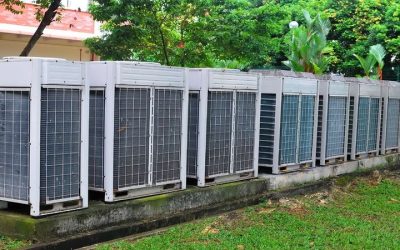
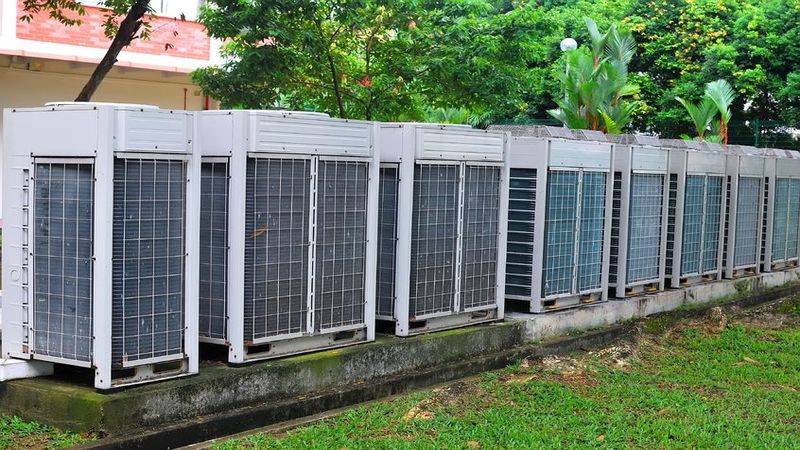
Your outdoor unit releases heat through the condenser coil. Dust accumulation on coil fins acts like a blanket, trapping heat. When the system can’t reject heat effectively, pressures rise, the compressor works harder, and overall cooling output drops.
Common symptoms include warmer air indoors, longer cycles, and a system that seems to struggle most in late afternoon when temperatures peak.
Air filters loading faster than normal
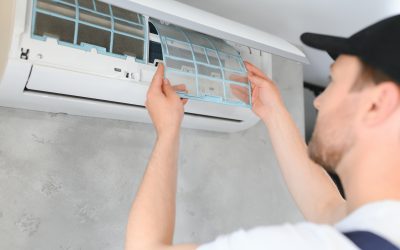
Filters in dusty environments often clog sooner, restricting airflow across the indoor coil. Low airflow can contribute to coil icing, reduced cooling, and higher strain on the blower motor. In desert communities, filter replacement schedules that work in other states may simply be too slow.
Indoor coil buildup and drainage issues
Even with filtration, fine particles can gradually collect on the indoor coil, reducing heat transfer and trapping moisture. That can lead to drainage problems and higher indoor humidity. If the drain line is partially blocked, you may see water around the indoor unit or notice musty odors when the system runs.
Electrical wear from heat and long runtimes
Extreme heat doesn’t just affect comfort, it affects electrical components. Contactors, capacitors, and wiring can degrade faster when the system cycles frequently or runs for extended periods. Many service calls during peak summer come down to an electrical part that finally reached its limit.
How Monsoon Swings Add Stress To Cooling Systems
Arizona monsoon season can bring sudden humidity spikes and dust storms. Humidity increases the workload on your system because it must remove moisture in addition to heat. Dust storms add more particulate load, which can accelerate filter clogging and coil buildup.
During these periods, homeowners may notice:
- The home feels “sticky” even if it’s cooler
- Cooling cycles last longer
- Airflow seems weaker
- The system trips a safety switch due to drainage issues
This is one reason AC repair and service demand tends to spike during extreme weather swings.
Signs It’s Time For AC Maintenance Services (Before A Breakdown)
Some problems are easier (and less expensive) to address early. Watch for these indicators that your system needs attention:
- New or worsening hot spots in the home
- Longer runtime to reach the thermostat setting
- A steady increase in summer energy bills
- Rattling, buzzing, or clicking sounds at startup
- Weak airflow from certain vents
- Water near the indoor unit or frequent drain clogs
If you’re seeing any of these, scheduling AC maintenance services can help identify root causes, such as restricted airflow, coil buildup, or worn electrical parts, before the system fails during the hottest week of the year.
Maintenance Tasks That Matter Most In Dusty Arizona Conditions
A maintenance visit should focus on the items desert conditions impact most. Useful priorities include:
- Filter strategy review: ensuring the filter choice supports both airflow and dust capture
- Coil inspection: checking both indoor and outdoor coils for buildup affecting heat transfer
- Airflow verification: confirming the blower and duct system are delivering proper airflow
- Drain line and pan inspection: reducing the risk of water-related shutdowns
- Electrical component testing: checking capacitors and contactors for early wear
- Thermostat and cycle behavior review: identifying short cycling or control issues
These steps don’t eliminate future repairs entirely, but they reduce the likelihood of surprise failures and help the system run closer to its intended efficiency.
Why “Affordable AC repair” Should Still Start With Accurate Diagnosis
When homeowners search for Affordable AC repair, the priority is usually predictable: restore cooling without overspending. In desert climates, the most cost-effective approach is often the one that prevents repeat failures.
Two examples:
- Replacing a worn capacitor can restore operation quickly, but if the outdoor coil is heavily restricted and the system is overheating daily, the same part may fail again sooner.
- Adding refrigerant without identifying why the system is low can lead to repeated loss of cooling and additional strain on the compressor.
A good service approach connects the symptom to the cause, then recommends the most practical fix, especially when high heat is pushing the system hard.
Practical Habits That Reduce Dust-Related Wear
Without getting into shortcuts, a few household habits can reduce strain:
- Keep return vents clear and avoid blocking airflow with furniture
- Maintain consistent thermostat settings during peak heat to reduce extreme cycling
- After dust storms, check that outdoor airflow around the unit remains unobstructed
- Address unusual noises or airflow changes promptly, small issues can escalate fast in high temperatures
If your home is on a dirt road or near open desert, your system may need closer monitoring simply because it’s exposed to more particulate matter.
Next Step For Wittmann Homeowners Planning For Peak Season
If your system has been running harder each summer, it may not be “old age” alone, desert dust and long runtimes can accelerate wear and increase the frequency of AC repair and serviceneeds. For planning guidance that fits Arizona conditions, Marz Mechanical Heating, Cooling & Plumbing shares desert HVAC maintenance guidance that can help homeowners understand what to prioritize before peak heat hits.