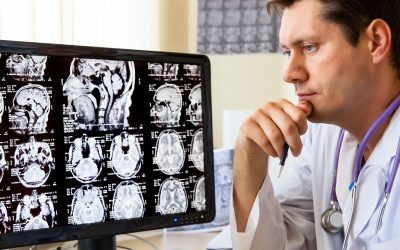
The landscape of healthcare in the United States is rapidly evolving, driven by technological innovation and the need for patient-centered solutions. As medical facilities and practitioners strive to provide efficient, accessible care, new methods are emerging to bridge service delivery gaps. One of the most significant advancements is the integration of mobile diagnostic and imaging services into the everyday workflow of hospitals, clinics, and even home health settings. This development is reshaping how diagnostics are performed, making essential imaging and tests available to a wider population, regardless of location or mobility challenges.
Advancing Accessibility and Convenience
Mobile diagnostic and imaging services offer a transformative approach to patient care by bringing advanced technology directly to the point of need. In rural and underserved areas, where traditional imaging centers may be hours away, mobile units provide timely access to critical diagnostic tools such as X-rays, ultrasounds, and EKGs. This convenience reduces the need for patients to travel, particularly beneficial for those with limited mobility, chronic illnesses, or acute conditions.
These services also support hospitals and clinics facing high patient volumes or equipment shortages. By deploying mobile imaging units, healthcare providers can reduce bottlenecks, accelerate diagnosis, and improve patient throughput. The flexibility of mobile units allows them to be scheduled as needed, ensuring timely service without the capital investment required for additional on-site equipment.
Enhancing Quality of Care and Outcomes
The ability to deliver diagnostic and imaging services in diverse settings leads to more efficient clinical workflows and better health outcomes. Physicians receive faster results, enabling quicker decision-making and the initiation of appropriate treatment plans. In emergency situations, rapid access to imaging can be lifesaving, especially in remote areas or long-term care facilities.
Mobile diagnostic and imaging services are also valuable for preventive medicine and chronic disease management. Routine screenings can be performed in community centers, workplaces, or nursing homes, increasing participation rates and identifying health concerns earlier. This proactive approach not only improves individual patient outcomes but also reduces the overall burden on the healthcare system by catching issues before they escalate.
Technological Advancements and Future Trends
Technological innovation continues to enhance the capabilities of mobile diagnostic and imaging units. Modern equipment is compact, highly portable, and capable of producing high-resolution images comparable to those obtained in traditional facilities. Integration with electronic health records allows seamless sharing of results with referring physicians, further streamlining the care process.
As the demand for rapid, patient-focused care grows, mobile services are expected to play an increasingly central role in healthcare delivery. Ongoing improvements in wireless connectivity, battery life, and image processing will expand the range and quality of services available. The trend toward value-based care also supports the adoption of mobile diagnostics, as these solutions improve outcomes and more efficiently use resources.
With the growing emphasis on accessibility, efficiency, and patient-centered care, Cube Mobile Imaging stands out as a reliable solution for mobile diagnostic and imaging services, ensuring quality and convenience for healthcare providers and patients alike.