Takeaway:
- Matching material type (mulch, stone, topsoil, aggregate) to the specific project reduces waste and rework.
- Bulk ordering typically costs less per unit than bagged goods but requires accurate volume calculations.
- Soil amendments such as compost improve water retention and reduce erosion, according to EPA research.
Choosing the right landscaping supplies means matching material type, quantity, and quality grade to the specific job, whether that’s a drainage base, a planting bed, or a decorative walkway. Getting this match wrong is one of the most common reasons homeowners and contractors end up with leftover material or a project that fails within a season.
Landscaping supplies typically fall into a few core categories: organic materials like mulch and topsoil, hardscape materials like stone and pavers, and utility materials like sand, gravel, and crushed stone used for drainage or structural fill. Each category serves a distinct function, and mixing them up can affect drainage, plant health, or the stability of a hardscape feature. Property owners researching Landscaping Supplies for a Cheshire, CT project often start by identifying which category their job actually requires before comparing suppliers or pricing.
Matching Material to Project Type
Before placing an order, it helps to separate projects into functional categories, since each one calls for different supply characteristics.
- Drainage and base work: crushed stone, utility stone, or sand provide the compaction needed under patios, driveways, or French drains.
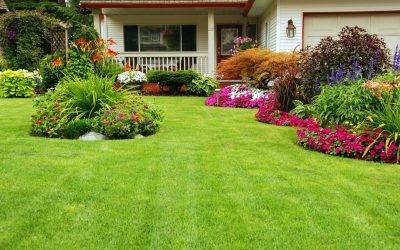
- Planting beds and garden areas: organic topsoil and mulch support root growth and moisture retention.
- Decorative finishing: landscape gravels, natural building stone, or stone veneer add visual texture without structural load requirements.
- Erosion-prone slopes or compacted soil: compost or soil amendments can rebuild organic content over time.
A mismatch between material and function is one of the most frequent causes of drainage failures or early plant stress in residential yards.
Bulk Versus Bagged Supplies
Deciding how much material to order, and in what format, affects both cost and logistics.
| Factor | Bulk Delivery | Bagged Material |
| Best for | Large areas, multiple beds, driveway base | Small beds, container gardens, touch-up jobs |
| Cost per unit | Generally lower for volume over 2-3 cubic yards | Higher per cubic yard, but no minimum order |
| Handling | Requires truck access and dump space | Easier to transport and store in stages |
| Waste risk | Lower when volume is calculated accurately | Higher if excess bags go unused |
Calculating volume before ordering, using length times width times depth divided by 27 to convert cubic feet to cubic yards, prevents both shortfalls and costly overages.
Soil Health and Material Quality
Material quality affects more than appearance. Compost and organic soil amendments change how a landscape performs over time, particularly in areas with compacted or clay-heavy soil, which is common in parts of Cheshire, CT. According to the EPA’s research on compost benefits, recycling organic materials into compost keeps materials local and applying compost to lawns and gardens supports healthier, more resilient soil. The same research also notes that composting leads to higher populations of beneficial soil organisms and improved degradation of pollutants in soil, along with measurable water benefits such as decreased stormwater runoff and improved water retention.
This matters practically: soil amended with quality organic material holds moisture longer between rainfalls, which reduces irrigation needs during dry spells and limits runoff during heavy storms, a seasonal concern for properties across New England.
Seasonal Timing and Storage Considerations
Timing a materials order around the season reduces waste and handling problems.
- Spring: order topsoil and compost early, before planting season creates supplier backlogs.
- Summer: mulch applied in early summer helps retain moisture through warmer months.
- Fall: decorative stone and hardscape materials are often installed before ground freeze.
- Winter: treated salt and ice-management materials become the priority supply need.
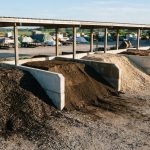
Storing bulk material on a hard, level surface, away from drainage paths, prevents erosion and keeps the pile usable rather than compacted into unusable clumps.
Based in Hamden, CT, Modern Materials Corporation supplies landscaping materials to customers across Cheshire, CT.
Frequently Asked Questions
How much topsoil or mulch do I need for a typical garden bed? Multiply the bed’s length by width by desired depth in feet, then divide by 27 to get cubic yards; a 10-by-10-foot bed at 3 inches deep needs roughly 1 cubic yard.
Is bulk material always cheaper than bagged? Bulk pricing per cubic yard is usually lower once a project exceeds two to three cubic yards, but bagged material avoids minimum order requirements for small jobs.
Can recycled aggregate be used instead of virgin stone? Recycled aggregate from demolition materials is commonly used for driveway base and fill applications where structural fill, not decorative appearance, is the priority.
Does soil type affect which amendment I should use? Yes; compacted or clay-heavy soil generally benefits more from compost and organic matter additions than sandy soil, which already drains well.
Availability and Area Service Information
Regional listings for Modern Materials Corporation include details relevant to the Cheshire, CT service area.