Briefly:
• Snoring is caused by partial airway blockage during sleep and can range from a mild nuisance to a sign of obstructive sleep apnea (OSA).
• An ENT evaluation is the first step toward identifying the right treatment path, from lifestyle changes to minimally invasive procedures.
• Louisville residents have access to specialized ENT care for both diagnosis and surgical or non-surgical snoring solutions.
Snoring happens when airflow is partially blocked during sleep, causing soft tissues in the throat and airway to vibrate. For many people, finding the right snoring treatment in Louisville KY starts with understanding what is driving the problem in the first place.
What Causes Snoring?
Snoring occurs when airflow is blocked by over-sized tonsils, a large tongue or uvula, or a deviated septum. Beyond anatomy, several lifestyle and health factors also contribute.
Common contributing factors include:
• Nasal obstruction: Congestion from allergies, a deviated septum, or nasal polyps reduces airflow and forces mouth breathing.
• Enlarged tonsils or adenoids: Enlarged tonsils can block the throat and lead to obstructive sleep apnea.
• Excess weight: People with obesity can have increased fat deposits in their neck that can block their upper airway.
• Alcohol and sedatives: Consuming alcohol or sedatives before bedtime can relax the muscles in the throat, increasing the likelihood of snoring.
• Sleep position: Sleeping on your back allows the tongue to fall backward and narrow the airway.
OSA occurs when the obstruction of airflow is so severe it leads to reduced or compromised breathing. A child might develop OSA due to problems with their tonsils or adenoids, whereas adults might experience it due to a combination of factors.
Why Snoring Deserves Medical Attention
Dismissing snoring as a minor annoyance can be a mistake. Obstructive sleep apnea may lead to other more serious problems like high blood pressure, heart disease, stroke, and metabolic syndrome. According to the National Heart, Lung, and Blood Institute, NHLBI research found that sleep apnea may raise the risk for high blood pressure, diabetes, heart disease, and stroke.
Beyond the cardiovascular risks, snoring can lead to episodes of pausing for breath while asleep, dry mouth, and throat irritation. As sleep is disturbed, you may start experiencing irritability, mood changes, depression, and having difficulty concentrating.
While occasional snoring is common, regular loud snoring may indicate underlying conditions that require professional attention. A thorough ENT evaluation is the most reliable way to determine whether snoring is structural, behavioral, or a symptom of a sleep disorder.
Snoring Treatment Options: A Comparison
Treatment paths vary depending on the underlying cause and severity. The table below outlines the main categories:
| Treatment Type | Examples | Best Suited For |
| Lifestyle changes | Weight loss, sleep position, alcohol reduction | Mild, occasional snoring |
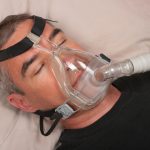
| CPAP therapy | Continuous positive airway pressure device | Diagnosed obstructive sleep apnea |
| Nasal procedures | Septoplasty, turbinate reduction | Deviated septum, nasal obstruction |
| Throat/palate surgery | UPPP, tonsillectomy | Enlarged tonsils, excess throat tissue |
Septoplasty is a minimally invasive procedure to correct a deviated septum. Inferior turbinate procedures include inferior turbinate submucosal resections and radiofrequency ablations that help open the nasal airway. For patients with excess tissue in the throat, UPPP is a procedure that involves removing or repositioning excess tissue to open up the airway to alleviate these problems.
CPAP is currently the initial treatment of choice for patients with OSA. Nasal surgery can help with snoring and may improve tolerance of CPAP. In some cases, both approaches are used together.
What to Expect from an ENT Evaluation in Louisville
ENT specialists can perform a thorough examination to identify the underlying causes of snoring, such as nasal congestion, throat issues, or anatomical factors. The process typically involves reviewing symptoms, examining the nasal passages, throat, and airway, and determining whether a sleep study is needed.
If allergies are suspected as a potential cause of nasal congestion and snoring, the ENT specialist may recommend allergy testing to identify specific triggers and develop an appropriate treatment plan. ENT specialists tailor treatment plans to each patient’s unique needs and severity of symptoms.
Frequently Asked Questions
Is snoring always a sign of sleep apnea? No. While occasional snoring is common, regular loud snoring may indicate underlying conditions that require professional attention. An ENT evaluation can distinguish simple snoring from OSA.
Can snoring be treated without surgery? Yes. Lifestyle adjustments, CPAP therapy, and oral appliances are all non-surgical options. Many patients who struggle with CPAP benefit from alternatives such as oral appliances, targeted surgical procedures, or tissue-reduction therapies.
When should I see a specialist about snoring? If you experience symptoms such as waking up choking, or if your snoring is loud enough to disturb others, it is important to speak with your ENT to avoid potential long-term health issues.
Does nasal surgery actually reduce snoring? It can, particularly when nasal obstruction is a contributing factor. Nasal surgery can help with snoring and may improve tolerance of CPAP.
Chronic snoring is not something to simply endure. Whether the cause is structural or related to a sleep disorder, effective treatment paths exist for most patients. Kentuckiana Ear, Nose & Throat provides ENT evaluations and a full range of snoring and sleep-related treatments at multiple locations serving Louisville, KY and Jeffersonville, IN. Scheduling an evaluation is the clearest first step toward quieter, healthier sleep.