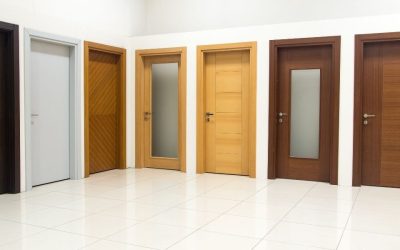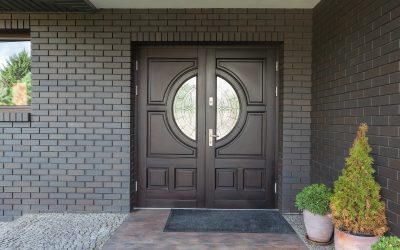
Open-concept floor plans have become one of the most influential trends in modern residential architecture. By reducing barriers between living spaces, these layouts create a greater sense of openness, natural light, and visual connectivity throughout the home. As a result, design elements that were once considered separate from the interior now play a larger role in shaping the overall experience of the space. One such element is the front door.
Modern front doors have evolved beyond their traditional role as entry points. In open-concept homes, they contribute to architectural flow, influence natural lighting, and help establish the design language that extends throughout the residence. In Phoenix, AZ, where contemporary architecture and indoor-outdoor living remain highly desirable, modern entry doors often serve as a key component of the home’s overall design strategy.
Why Do Open-Concept Homes Require Different Entry Door Considerations?
Traditional floor plans often separated the foyer from the main living areas through walls, hallways, or dedicated entry spaces. Open-concept homes remove many of these barriers, allowing the front entrance to connect directly with primary living spaces.
Because of this openness, the front door becomes much more visible from within the home. Its design influences not only exterior curb appeal but also the appearance of interior spaces.
A poorly integrated front door can disrupt visual continuity, while a thoughtfully designed modern front door can strengthen the connection between architecture, materials, and interior design elements.
This shift has encouraged architects and homeowners to view front doors as an extension of the home’s overall aesthetic rather than simply a functional feature.
How Do Modern Front Doors Support Visual Flow?
Visual flow refers to the way design elements guide the eye through a space. In open-concept homes, maintaining visual flow is especially important because multiple rooms are often visible simultaneously.
Modern front doors support this continuity through:
- Clean architectural lines
- Consistent material selections
- Minimalist detailing
- Coordinated finishes
- Thoughtful proportions
These characteristics help the entrance feel integrated into the broader design rather than standing apart from it.
By aligning the front door with surrounding architectural features, homeowners can create a more cohesive and harmonious living environment.
Why Is Natural Light Important in Open-Concept Design?
Natural light is one of the defining features of open-concept homes. Larger windows, fewer walls, and open sightlines allow daylight to travel throughout the interior.
Modern entry doors frequently incorporate glass elements that contribute to this objective. Glass inserts, sidelights, and transom windows help introduce daylight into entryways while supporting the overall brightness of the home.
In Phoenix, where sunshine is abundant throughout much of the year, front doors for homes often play a significant role in maximizing available natural light.
Well-lit entryways can make spaces feel larger, more welcoming, and more connected to the outdoor environment.
What Design Features Define Modern Entry Doors?
Several architectural characteristics consistently appear in contemporary front door design.
Clean Lines
Modern doors often emphasize simple geometric forms rather than elaborate ornamentation. This simplicity helps create a refined appearance that complements open floor plans.
Large Dimensions
Oversized doors have become increasingly common in contemporary homes. Larger proportions contribute to a sense of openness while creating a stronger architectural presence.
Glass Integration
Glass remains one of the most popular features in modern entry doors because it supports natural lighting and visual openness.
Minimal Hardware
Contemporary hardware designs tend to feature streamlined forms that reinforce the clean aesthetic associated with modern architecture.
These features work together to create entrances that feel sophisticated, functional, and visually balanced.
How Do Materials Influence Modern Front Door Design?
Material selection significantly affects both appearance and performance.
Wood remains a popular option because it introduces warmth and texture that balance the sleekness of modern architecture. Natural grain patterns help soften contemporary spaces that may otherwise feature materials such as steel, concrete, and glass.
Other homeowners may incorporate mixed-material designs that combine wood with metal or glass elements. These combinations can create visual contrast while reinforcing contemporary architectural themes.
The chosen materials should complement the home’s overall design palette and contribute to long-term visual consistency.
Why Are Modern Front Doors Popular in Phoenix, AZ?
Contemporary architecture has become increasingly prominent throughout the Phoenix metropolitan area. The region’s climate, landscape, and design preferences naturally support many of the principles associated with modern residential architecture.
Features commonly found in Phoenix homes include:
- Open floor plans
- Indoor-outdoor living spaces
- Large windows
- Clean architectural lines
- Natural materials
- Contemporary desert-inspired design
Modern front doors align with these characteristics by providing a seamless transition between exterior and interior environments.
Their ability to incorporate natural light, expansive glass elements, and minimalist detailing makes them particularly well-suited to the architectural trends commonly found throughout the region.
How Can Front Doors Strengthen Indoor-Outdoor Connections?
Many open-concept homes are designed to blur the boundaries between indoor and outdoor living spaces.
Modern entry doors contribute to this objective by introducing natural light, enhancing visibility, and creating visual continuity between exterior and interior environments. Glass elements can provide glimpses of outdoor landscapes while maintaining architectural cohesion.
This connection is especially valuable in Phoenix, where outdoor living areas often serve as extensions of the home’s primary living spaces.
By supporting these transitions, front doors become part of a larger architectural strategy rather than functioning as isolated design elements.
What Should Homeowners Consider When Selecting a Modern Front Door?
Several factors can influence the effectiveness of a front door within an open-concept design.
Architectural Style
The door should complement the home’s overall design language.
Natural Light Goals
Glass placement and configuration can affect daylight penetration.
Material Compatibility
Door materials should coordinate with flooring, cabinetry, exterior finishes, and other architectural features.
Scale and Proportion
The size of the door should align with the dimensions of the entryway and surrounding spaces.
Homeowners researching a trusted custom door company often seek guidance on balancing these considerations to achieve a cohesive design.
Creating Cohesion Through Thoughtful Entry Door Design
Modern front doors play a much larger role in open-concept homes than they did in traditional floor plans. By supporting visual flow, enhancing natural light, and reinforcing architectural consistency, they contribute directly to the overall experience of the home.
In Phoenix, AZ, where contemporary architecture continues to evolve, modern entry doors remain an essential component of residential design. Through careful attention to materials, proportions, and architectural integration, homeowners can select front doors for homes that strengthen both functionality and visual appeal while complementing the open, connected spaces that define modern living.