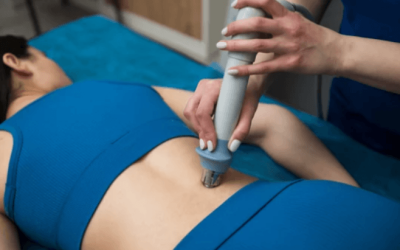
A chiropractic neck adjustment generally involves an evaluation followed by a controlled movement or force applied to an appropriate joint in the cervical spine. The actual adjustment may take only a short time, but determining whether it is appropriate should involve understanding the patient’s symptoms, health history, movement, and potential risk factors first.
For people who have never visited a chiropractor, the uncertainty surrounding neck adjustments can be more intimidating than the procedure itself. Some wonder whether the neck will be forcefully twisted. Others expect every treatment to produce a loud popping sound or assume that everyone with neck pain receives exactly the same adjustment.
What Is a Chiropractic Neck Adjustment?
A chiropractic neck adjustment is a form of spinal manipulation involving the cervical, or neck, region of the spine.
During spinal manipulation, a trained healthcare professional uses their hands or sometimes an instrument to apply a controlled force to a spinal joint. The exact technique, amount of movement, and patient positioning can vary.
The purpose is not simply to create a sound.
Instead, an adjustment may be considered as one component of chiropractic treatment for an appropriate musculoskeletal complaint. Whether it belongs in someone’s care depends on their presentation and clinical assessment.
What Happens Before the Neck Is Adjusted?
A chiropractor should first learn what brought the patient in.
Neck pain is a symptom with many potential causes, so simply knowing that someone’s neck hurts does not provide enough information to determine the appropriate treatment.
The conversation may cover questions such as:
- When did the neck problem begin?
- Did symptoms appear gradually or suddenly?
- Was there an accident, fall, sports impact, or other injury?
- Which neck movements are difficult?
- Does pain stay in the neck or travel toward the shoulder or arm?
- Is there numbness, tingling, or weakness?
- Do headaches or dizziness occur?
- What makes the symptoms better or worse?
- Are there relevant medical conditions or medications?
A person seeing a chiropractor for neck pain should expect the decision about treatment to be based on their individual presentation rather than the assumption that every neck complaint calls for the same technique.
Why Does the Physical Evaluation Matter?
The physical portion of an appointment helps the chiropractor understand how the neck and surrounding areas are functioning.
Depending on the patient’s symptoms and the provider’s assessment, this may involve observing posture, checking comfortable neck movement, identifying movements that reproduce symptoms, and examining relevant musculoskeletal findings.
For example, a patient might say their neck hurts whenever they look over the left shoulder.
The chiropractor may want to understand whether rotation itself is limited, whether discomfort occurs only near the end of the movement, or whether symptoms extend beyond the neck.
Does Everyone With Neck Pain Receive an Adjustment?
No.
Neck pain alone is not enough reason to perform a chiropractic adjustment.
Some complaints may be appropriate for conservative chiropractic treatment, while others may require medical evaluation or another type of care. A patient’s history and examination should guide that decision.
This is especially important when there has been substantial trauma or when neck pain occurs with significant neurological or systemic symptoms.
How Is a Patient Positioned for a Neck Adjustment?
Positioning depends on the technique being used and the specific area being addressed.
The patient may be seated or lying down. The chiropractor may gently position the head and neck before delivering the controlled movement.
Patients should not feel that they need to remain silent if a position is uncomfortable.
What Does the Adjustment Itself Feel Like?
Experiences vary.
Some patients describe a quick movement followed by a feeling of easier mobility. Others notice pressure or stretching. Some do not experience a major sensation immediately afterward.
The adjustment itself is generally brief.
A patient should not assume that a more dramatic sensation means the treatment was more effective. Chiropractic care should be guided by the patient’s clinical needs rather than by trying to produce the strongest possible movement.
Why Does a Neck Adjustment Sometimes Make a Popping Sound?
The sound commonly associated with a chiropractic adjustment is often called joint cavitation.
Changes in pressure within a synovial joint can produce an audible pop or crack during movement. Similar sounds may occur when someone moves another joint during ordinary daily activity.
The sound itself is not the purpose of treatment.
A louder pop does not necessarily indicate that a better adjustment occurred, and an adjustment that produces no sound should not automatically be considered unsuccessful.
Should a Chiropractic Neck Adjustment Hurt?
Patients may experience pressure or brief discomfort depending on how sensitive an area is, but treatment should not be viewed as a test of how much pain someone can tolerate
.
People should communicate if something feels unusually painful or concerning during an appointment.
This is particularly important because patients differ considerably in sensitivity, symptom severity, previous injuries, and comfort with manual treatment.
What Might You Feel Immediately Afterward?
There is no universal response.
Some people may notice that movement feels easier. Others may have temporary soreness, stiffness, headache, or fatigue after spinal manipulation.
Research reviewed by the National Center for Complementary and Integrative Health indicates that mild-to-moderate temporary side effects can occur after spinal manipulation or mobilization and often resolve within about 24 hours.
Someone who experiences mild muscular soreness that gradually improves is in a different situation from a person who develops severe or rapidly worsening neurological symptoms.
Can You Move Normally After a Neck Adjustment?
Many people can continue with ordinary activities after an appointment, although individualized recommendations should come from the clinician who evaluated them.
There is generally no reason to think that routine movement will automatically “undo” an adjustment.
Patients may find it more useful to observe how normal activities feel.
For example:
- Is checking a blind spot while driving more comfortable?
- Does looking between computer monitors feel easier?
- Is reading or working at a desk less irritating?
- Does neck stiffness return at the same point in the day?
- Are previously uncomfortable movements changing?
Those functional observations can provide better information than repeatedly turning the neck as far as possible to test it.
Is Soreness After a Neck Adjustment Normal?
Temporary soreness can occur after spinal manipulation.
The tissues around a sensitive area may respond to manual treatment, much as muscles can feel different after an unfamiliar physical activity.
If symptoms are unexpectedly severe, continue to intensify, or are accompanied by neurological changes, contacting an appropriate healthcare professional is important.
Are There Risks With Cervical Spinal Manipulation?
Yes. As with other healthcare interventions, cervical spinal manipulation has potential risks.
Serious neurological complications and cervical artery dissections have also been reported in association with neck manipulation, although they are considered rare and their exact frequency is difficult to determine.
Cervical artery dissection involves a tear in the wall of an artery supplying blood to the brain and can lead to stroke. Dissections can also occur without manipulation and have been associated with other types of sudden neck movement or trauma.
Which Symptoms Need Medical Attention Instead?
Certain symptoms require medical assessment rather than routine manipulation.
Prompt or urgent evaluation may be appropriate when neck pain follows major trauma or occurs with significant symptoms such as:
- New or progressive weakness
- Significant numbness
- Problems walking or maintaining balance
- Difficulty speaking or swallowing
- New vision changes
- Severe dizziness
- Sudden severe headache
- Loss of coordination
- Fever accompanying significant neck symptoms
- Other rapidly developing neurological changes
The presence of these symptoms does not prove a particular diagnosis, but it changes the level of concern.
Patients should not attempt to self-diagnose serious conditions or assume every neck problem is mechanical.
How Is Chiropractic Treatment Individualized?
Two people with apparently similar neck pain may need very different approaches.
Consider two Bellevue residents who both report discomfort when working at a computer.
The first person experiences mild stiffness that develops gradually after several hours and improves with movement. The second reports arm weakness and numbness that have become progressively worse.
Is One Adjustment Usually Enough?
There is no universal number of appointments appropriate for every neck complaint.
Some symptoms are recent. Others have been present for months or are affected by ongoing work, activity, previous injuries, or other factors.
Useful measures may include changes in comfortable movement, frequency of symptoms, ability to work or exercise, and whether specific activities become easier.
What Questions Should You Ask Before a Neck Adjustment?
Patients have the right to understand what is being recommended.
Useful questions include:
- Why do you think this treatment is appropriate for my symptoms?
- What are you evaluating before performing the adjustment?
- What technique are you planning to use?
- What should I expect to feel?
- Are there alternatives to this technique?
- What are the potential risks?
- What symptoms should I report afterward?
- How will we determine whether care is helping?
These questions are especially useful for someone receiving their first chiropractic adjustment.
A patient who understands the reasoning behind care can participate more meaningfully in decisions about treatment.
Can You Tell the Chiropractor You Are Nervous?
Absolutely.
Some people are comfortable with neck treatment immediately. Others are uneasy about it, particularly if they have seen dramatic adjustment videos online or heard conflicting information from friends.
Online videos often emphasize visually dramatic procedures because they attract attention. They do not show the full clinical process of taking a history, evaluating a patient, considering risks, and deciding what treatment is appropriate.
What Matters More Than the Adjustment Itself?
The clinical reasoning surrounding the adjustment is at least as important as the procedure.
A neck adjustment lasts only moments. The more important questions are why it is being considered, whether the patient is an appropriate candidate, what functional problem is being addressed, and how the response will be monitored.
That perspective also prevents chiropractic treatment from becoming reduced to simply “getting the neck cracked.”
The Bottom Line
A chiropractic neck adjustment involves more than a quick movement of the neck. Appropriate care begins with understanding the patient’s history and symptoms, examining relevant movement and function, identifying concerns that may require another form of healthcare, and then deciding whether cervical manipulation is suitable.
Patients may experience pressure, joint sounds, easier movement, or temporary soreness, but no single sensation proves that an adjustment was successful. More meaningful considerations include how the person functions afterward, how symptoms change over time, and whether the treatment remains appropriate.
About Mercer Island Chiropractic
Mercer lsland chiropractic provides individualized chiropractic care at 2825 80th Ave SE #2 in Mercer Island, Washington, with a focus on posture, movement, function, neck and back concerns, and other musculoskeletal needs for patients from Mercer Island, Bellevue, and surrounding areas. Owner chiropractor Dr. Jeff Parton earned his Doctorate in Chiropractic from Western States Chiropractic College in 1998; the practice can be reached at (206) 841-7949, and prospective patients can find their office on google maps.