Short answer:
• A standard roof repair moves through four stages: inspection, damage assessment, material selection, and final quality check.
• Minor leaks or shingle damage typically take one to two days to resolve, while storm-related repairs may take longer depending on severity.
• Homeowners in Northland, KC can expect documentation, including photos, to support insurance claims when storm damage is involved.
Homeowners searching for a dependable Roof Repair Service usually want to know what happens between the first phone call and the final walkthrough. The process generally follows a predictable sequence, regardless of whether the damage comes from wind, hail, age, or poor installation. Understanding each stage helps set realistic expectations for timing, cost discussions, and the paperwork involved when insurance is part of the equation.
What Happens During the Initial Roof Inspection
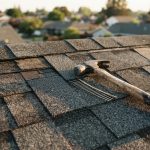
A roof repair begins with a visual and sometimes physical inspection of the structure. Technicians look for missing or curling shingles, cracked flashing, and signs of water intrusion in the attic or ceiling below. According to the HUD Residential Rehabilitation Inspection Guide, inspectors are trained to check roof slope, covering materials, and signs of damage as part of a structured evaluation process.
Key inspection checkpoints typically include:
• Shingle or covering condition across all roof planes
• Flashing around chimneys, vents, and skylights
• Gutter and downspout function
• Attic ventilation and signs of moisture
• Structural sagging or deck deterioration
Photo and video documentation during this step becomes especially useful later if an insurance claim is filed for storm-related damage.
Damage Assessment and Repair Planning
Once the inspection is complete, the findings are translated into a repair plan. This stage determines whether the issue is isolated, such as a single damaged flashing seal, or more widespread, such as granule loss across multiple shingles after a hailstorm. Northland, KC homes face seasonal freeze-thaw cycles and periodic severe storms, both of which accelerate wear on aging roof systems.
A written assessment generally outlines:
1. The specific area and type of damage identified
2. Whether repair or partial replacement is recommended
3. Materials needed, such as asphalt shingles or metal components
4. An estimated timeframe for completion
Comparing Repair Scope and Timeframes
Not every roof issue requires the same level of work. The table below outlines general differences between common repair categories homeowners encounter.
| Repair Type | Typical Cause | General Timeframe |
| Spot shingle repair | Wind or minor wear | Same day to 1 day |
| Flashing resealing | Age or improper seal | 1 day |
| Emergency tarping | Storm damage, active leak | Same day |
| Multi-area repair | Hail or widespread wear | 2-3 days |
Timeframes vary based on roof size, material type, and weather conditions during the scheduled work window.
Completing the Repair and Final Quality Check
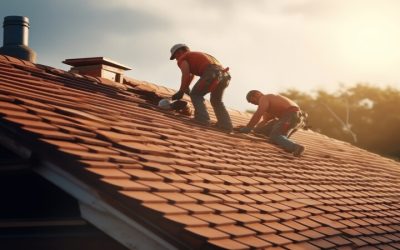
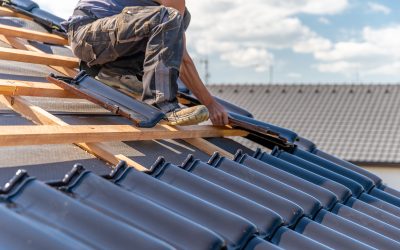
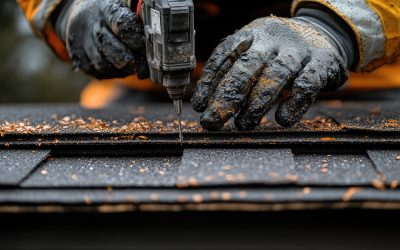
The final stage involves the actual repair work, followed by a closing inspection to confirm the fix addresses the original issue. Crews typically clean the work area, remove debris, and check that flashing, seals, or shingle replacements are properly secured. A short walkthrough at this point allows homeowners to review the completed work before the job is considered finished.
Based in Summit, MO, the business operates as Roof Repair Service, serving residential customers throughout Northland, KC with repair and inspection-related work. This regional service radius covers homes affected by common Midwest weather patterns, including hail and high-wind events that place additional strain on aging roofing materials.
Frequently Asked Questions
How long does a typical roof repair take? Minor repairs such as shingle replacement or flashing resealing are often completed within a day, while more extensive storm damage may require two to three days depending on scope.
Do I need to be present during the repair? Homeowners are not always required to be home, though being available for the initial inspection and final walkthrough helps confirm the scope of work and completed results.
Will insurance cover roof repair costs? Coverage depends on the cause of damage and individual policy terms; documentation from the inspection stage is often required to support a claim.
How often should a roof be inspected? Many industry sources recommend at least one inspection annually, plus additional checks after major storms, to catch developing issues early.
The roof repair process follows a consistent structure that moves from inspection through documentation, planning, and final verification, giving homeowners a clear framework for what to expect regardless of the scale of the project. Recognizing each stage also makes it easier to ask informed questions when scheduling work or reviewing a written estimate.
Additional Service Area Details
Published details for Blue Collar Contracting KC outline the service area and general scope of repair-related work available to residents.