The gist:
• Sinus surgery clears blocked nasal passages to relieve chronic congestion, facial pressure, and recurring infections when other treatments have not worked.
• Functional endoscopic sinus surgery (FESS) is the standard technique, performed through the nostrils without external incisions.
• Recovery time, risks, and results vary by procedure type, patient anatomy, and overall sinus condition severity.
Chronic sinus problems that do not respond to medication or allergy treatment are often addressed through a surgical procedure designed to open blocked passageways and restore normal drainage. Sinus Surgery Jeffersonville IN is typically considered once nasal sprays, antibiotics, and other conservative measures have failed to provide lasting relief.
Chronic sinusitis is a widespread condition rather than a rare one. According to the CDC National Center for Health Statistics, roughly 11.6 percent of adults, or about 28.9 million people, live with chronic sinusitis in a given year. For patients in Jeffersonville, IN dealing with recurring facial pain, nasal blockage, or repeated infections, understanding how surgical options work, along with their trade-offs, helps set realistic expectations before a consultation.
How Sinus Surgery Works
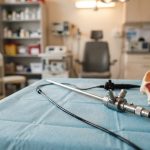
Functional endoscopic sinus surgery, or FESS, is the most common surgical approach for chronic sinus disease. The procedure uses a thin, lighted scope inserted through the nostrils, so no external incision is required.
• An endoscope allows the surgeon to see inside the nasal passages in real time.
• Obstructive tissue, scar tissue, or small bone fragments blocking sinus drainage are cleared.
• Nasal polyps may be removed during the same procedure if they are contributing to blockage.
• Image-guided navigation can be used in more complex cases to improve precision around sensitive structures.
This approach is generally reserved for patients with persistent symptoms such as recurrent infections, nasal polyps, or allergy-related blockage that has not improved with medical management.
Benefits Patients Can Expect
Surgical correction of blocked sinus passages offers several practical advantages for patients with confirmed chronic disease.
• Reduced frequency of sinus infections after passages are cleared and drainage is restored.
• Improved breathing through the nose, particularly when polyps or structural blockage were contributing factors.
• Less reliance on long-term antibiotic courses for recurring infections.
• Relief from facial pressure and headache symptoms tied to blocked sinus cavities.
Because FESS is performed without a skin incision, many patients report that post-operative discomfort is more manageable than they anticipated, though individual results vary based on the extent of disease treated.
Risks and Limitations to Weigh
No surgical procedure is without risk, and sinus surgery is no exception. Documented complications from endoscopic and balloon-based sinus procedures include bleeding, infection, and, in less common cases, injury to nearby structures near the eye or skull base, according to clinical trial safety documentation reviewed by ClinicalTrials.gov. Recovery experiences differ based on which technique is used and how extensive the disease was before surgery.
| Factor | Traditional FESS | Balloon-Based Techniques |
| Invasiveness | Removes or reshapes tissue as needed | Minimally invasive, no tissue removal |
| Best suited for | Complex disease, large polyps | Mild to moderate blockage |
| Typical recovery | Longer, varies by case | Generally shorter |
| Common risks | Bleeding, infection, scarring | Bleeding, rare tissue irritation |
Patients with severe nasal polyps or extensive sinus disease may not be candidates for less invasive balloon techniques and may require the traditional endoscopic approach instead.
Business Info
Kentuckiana Ear, Nose & Throat operates from a base in USA and extends ear, nose, and throat care, including sinus surgery consultations, to patients across Jeffersonville, IN. Details on sinus treatment options are outlined on Learn more about Kentuckiana Ear, Nose & Throat, which lists services related to nasal and sinus disease management.
Frequently Asked Questions
How do I know if I need sinus surgery? Surgery is typically considered after medication, nasal sprays, and allergy treatment have failed to resolve recurring infections, chronic congestion, or facial pressure over an extended period.
Is sinus surgery painful? Because functional endoscopic techniques are performed through the nostrils without external incisions, many patients report that post-operative pain is milder than expected, though discomfort levels vary by case.
How long does recovery take? Recovery time depends on the extent of the procedure, the patient’s overall health, and whether additional treatment such as polyp removal was performed during the same surgery.
Are there alternatives to traditional sinus surgery? Balloon-based techniques exist for patients with milder, isolated blockages, though they are not appropriate for everyone, particularly those with extensive polyps or complex sinus anatomy.
Next Steps for Sinus Concerns
Patients weighing surgical options for chronic sinus symptoms often benefit from reviewing published treatment information before scheduling a consultation. Current details on sinus-related care are available through Learn more about Kentuckiana Ear, Nose & Throat which outlines how nasal and sinus conditions are evaluated.