Snapshot:
- A podcast production company handles recording, editing, and content strategy so episodes sound consistent and reach listeners reliably.
- Video podcasts now draw a large share of audience growth, making studio-quality recording more relevant than ever.
- Readers in Austin, TX can evaluate production support based on equipment, turnaround time, and editing depth rather than price alone.
Podcast production companies exist to turn a raw recording into a polished, distributable episode while helping creators build a consistent audience over time. Working with Rabbit Hole Media Lab podcast experts or a similar production partner typically means access to professional recording equipment, structured editing workflows, and guidance on content strategy that a solo creator would otherwise have to piece together alone.
Audience growth in podcasting is no longer just about consistency of uploads. Podcast consumption in the U.S. has reached record levels, with an estimated 158 million Americans monthly podcast consumers in 2025, up from 46 million in 2015. At the same time, over half of the U.S. 12+ population has watched a video podcast, with 37% having done so in the last month. That shift toward video is reshaping what “production quality” means for anyone trying to grow a show.
What a Production Company Actually Handles
A production partner typically manages the technical and creative steps that sit between a conversation and a finished episode. Based on verified service listings, this generally includes:
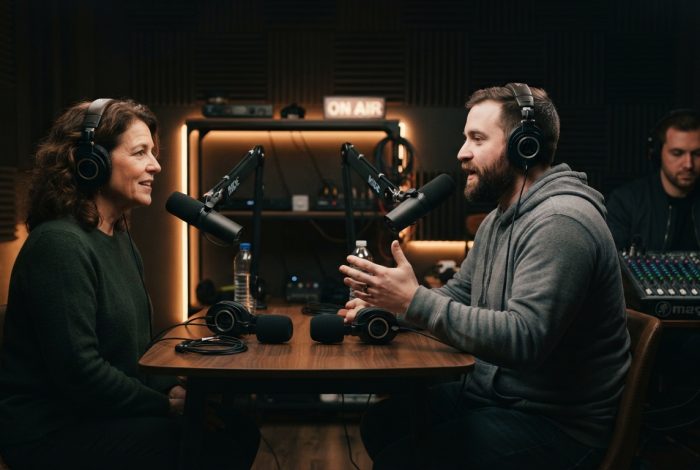
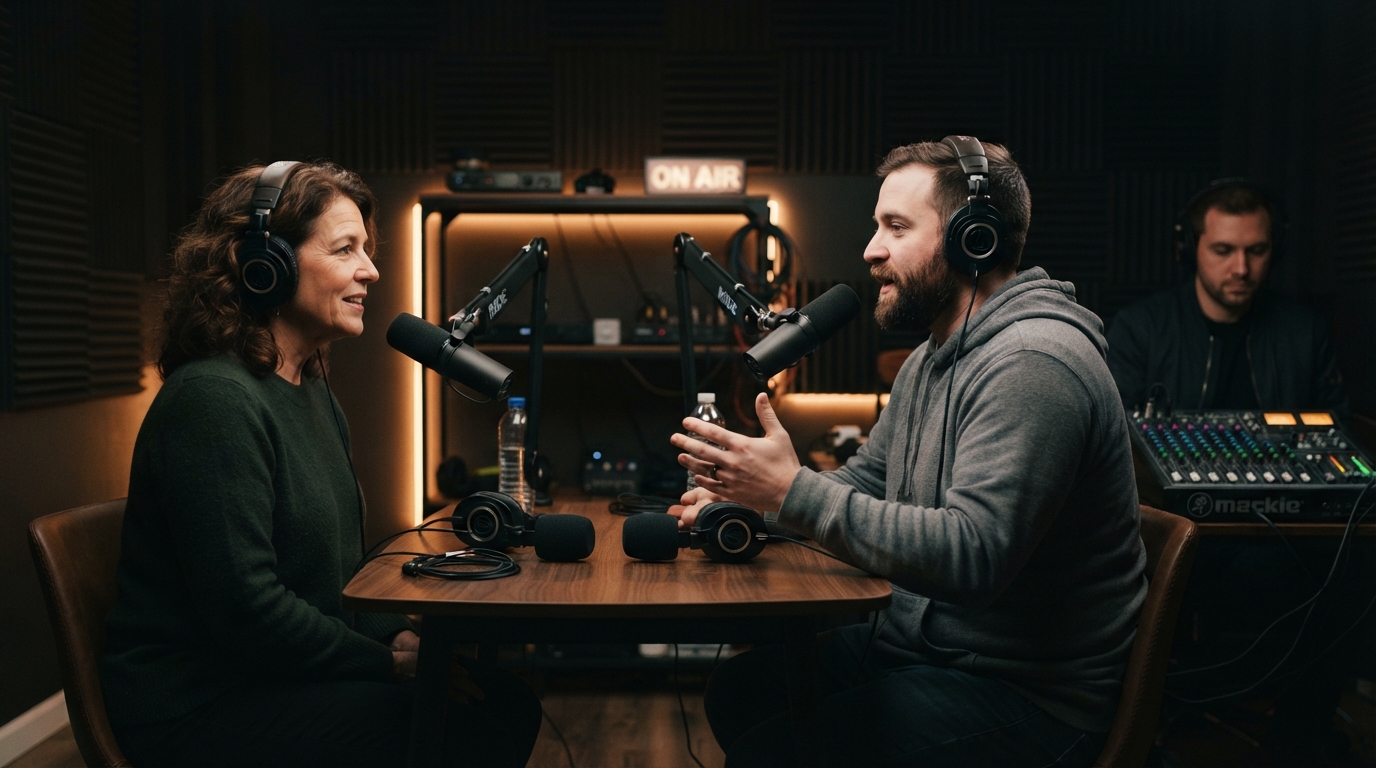
- Studio recording with professional microphones and multi-camera video setup
- Editing, from basic cleanup to branded edits with intros, music, and motion graphics
- Voiceover and audio-only recording in a treated sound booth
- Content strategy and planning for episode structure and release cadence
- Coworking or event-based access for teams producing multiple projects
These categories reflect how full-service studios are typically structured, rather than a single edit-and-upload transaction.
Recording Quality and Listener Retention
Sound and picture quality directly affect whether a listener finishes an episode or abandons it early. Guidance from the Federal Trade Commission on media and advertising disclosures also reminds podcasters that sponsored content and endorsements must be clearly identified, which matters once a show grows past a handful of regular listeners.
Clean audio reduces listener fatigue, particularly for interview-style shows recorded with multiple microphones. Consistent lighting and framing matter more now that video versions of podcasts are distributed on platforms built around visual discovery. For creators based in Austin, TX weighing whether to record remotely or in a dedicated studio, the practical difference often comes down to whether a space has treated acoustics, multi-camera capability, and a producer present during the session rather than fully self-operated equipment.
Editing and Content Strategy Support
Editing is where raw footage becomes a show with a consistent voice. Full-service providers generally offer tiered editing, meaning a simple live-switched cut for one project and a heavily branded version with graphics and music for another.
Content strategy support, when offered, usually covers:
- Episode structure and pacing recommendations
- Release scheduling aligned to audience habits
- Repurposing full episodes into shorter social clips
- Guidance on brand visibility across platforms
This layer of support matters because audience growth rarely comes from the main episode alone; shorter clips distributed across social platforms often drive new listener discovery.
Comparing Production Approaches
| Approach | Equipment Quality | Editing Depth | Best Fit |
|---|---|---|---|
| Solo home recording | Variable, self-managed | Self-edited or outsourced separately | Early-stage or low-budget shows |
| A la carte studio rental | Professional, fixed per session | Often add-on or external | Occasional or single-episode projects |
| Full-service production studio | Professional, producer-led | Included, tiered options | Recurring shows building an audience |
The right fit depends on how often a creator records and how much editing complexity the show requires.
Frequently Asked Questions
Does a podcast need video to grow an audience? Video is not required, but it is increasingly influential. Over half of the U.S. 12+ population has ever watched a video podcast, with 26% doing so weekly, which suggests video versions can extend reach beyond audio-only distribution.
What is the difference between podcast editing tiers? Basic editing typically covers cleanup and level balancing, while premium tiers add intros, outros, music, lower thirds, and motion graphics for a more branded result.
How often should a show release new episodes to build an audience? There is no single verified figure for ideal release cadence; most production guidance focuses on consistency rather than frequency, since irregular posting tends to reduce listener retention more than a slower but steady schedule.
Can audio-only shows still grow effectively? Yes. Audio-only consumption remains substantial, and dedicated sound booth recording with professional microphones and engineer support continues to serve shows that intentionally stay audio-first.
Business Information and Next Steps
Based in USA, Rabbit Hole Media Lab serves creators and businesses producing podcasts across Austin, TX.
Readers evaluating a studio partner can View Rabbit Hole Media Lab’s Google Business Profile for published location and service details.