In brief:
• Standing basement water should be treated as an emergency once it exceeds a few inches or has contacted electrical systems, sewage, or has sat longer than 24 hours.
• Professional extraction and structural drying reduce the risk of mold colonization, which can begin within 24 to 48 hours on wet building materials.
• Lombard homeowners dealing with sump pump failures, sewer backups, or storm seepage should document damage, cut power to wet areas, and call a licensed restoration contractor promptly.
A flooded basement stops being a DIY cleanup and becomes a professional emergency once water reaches electrical outlets, carries sewage contamination, or sits for more than a day. At that stage, the materials, air quality, and structural integrity of the space are all at risk, and the window for a simple fix closes quickly. To get help from a qualified team, visit the Parkside Restoration Official Website.
Homeowners searching for Basement Flood Damage Cleanup in Lombard IL are usually facing one of a handful of common triggers: a sump pump that quit during a storm, a sewer line backing up into a floor drain, or seepage through foundation walls after heavy rain. Each of these scenarios carries different contamination risks, and knowing which one you’re dealing with helps determine how urgently professional help is needed.
Signs Your Basement Needs Professional Attention
Not every wet spot requires a restoration crew, but several conditions signal that the situation has moved beyond a mop and a shop vac.
• Water covering more than a few square feet of flooring or climbing up drywall
• Any contact with electrical outlets, panels, or appliances
• A sewage odor or visible waste in the water, which indicates contaminated “black water”
• Water that has been standing for 24 hours or longer
• Musty smells, warping baseboards, or visible mold spots
The 24-to-48-hour threshold matters because of how quickly organic growth can start. According to the EPA’s guide to mold, moisture, and your home, it is important to dry water-damaged areas and items within that window, since mold generally will not take hold if materials are dried promptly. Once that timeframe passes, drywall, insulation, and subflooring become far more likely candidates for remediation rather than simple drying.
Common Causes of Basement Flooding in Lombard Homes
Lombard’s older housing stock and mix of clay and heavier soils make certain basement flooding patterns recur year after year.
1. Sump pump failure during or after heavy storms, often when power outages coincide with peak rainfall
2. Sewer or septic backups that push contaminated water through floor drains
3. Foundation seepage following prolonged rain or rapid snowmelt
4. Burst or frozen pipes during winter cold snaps
5. Window well or egress leaks where grading or seals have failed
Each cause changes the cleanup approach. Clean water from a failed sump pump is handled differently than sewage backup, which requires sanitization and disposal of porous materials that can’t be fully decontaminated.
DIY Cleanup vs. Professional Restoration
Many homeowners start cleanup themselves before realizing the scope of the problem. The table below outlines where the line typically falls.
| Situation | DIY Approach May Work | Professional Help Recommended |
| Small clean-water spill, dry within hours | Yes, with fans and dehumidifier | Not usually needed |
| Water standing over 24 hours | Risky | Yes |
| Sewage or “black water” contamination | No | Yes, always |
| Water contacted electrical systems | No | Yes, always |
| Visible mold or persistent musty odor | No | Yes |
Basement flood damage cleanup in Lombard involves more than removing visible water. Moisture often migrates into wall cavities, subfloors, and insulation where it stays hidden unless measured with moisture meters, which is one reason professional assessment matters even when a basement looks dry on the surface.
What Professional Cleanup Typically Involves
Restoration teams handling flooded basements generally follow a sequence designed to stop damage before it spreads further into the structure.
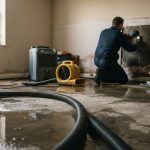
• Water extraction using pumps and wet vacuums suited to the volume present
• Moisture assessment of walls, flooring, and framing to locate hidden dampness
• Structural drying with industrial air movers and dehumidifiers
• Cleaning and sanitizing surfaces exposed to contaminated water
• Coordination of repairs for damaged drywall, flooring, or framing when needed
Parkside Restoration provides water and sewage damage restoration services for homes in Lombard, including flood and basement cleanup. Get Directions to Parkside Restoration on Google Maps to see reviews and service details from the business profile. Response speed matters most once contamination or standing water is confirmed, since every additional hour increases the chance that a drying job turns into a full remediation project.
Frequently Asked Questions
How quickly should I call someone after discovering a flooded basement? As soon as possible, especially if water covers a significant area, has contacted electrical systems, or appears contaminated. Acting within the first 24 hours gives the best chance of limiting damage to flooring and framing.
Can I just use fans and a dehumidifier myself? For small, clean-water spills caught early, basic fans and a dehumidifier may be enough. Once water has been standing for a day or covers a large area, professional extraction and moisture mapping are needed to confirm hidden dampness is fully addressed.
Is sewage backup water different from regular flood water? Yes. Sewage-contaminated water is classified as a biohazard and requires specialized sanitization, disposal of affected porous materials, and protective procedures that go beyond standard water removal.
Does a flooded basement always mean mold will grow? Not necessarily, but risk increases sharply once materials stay wet past the 24-to-48-hour mark identified by EPA guidance. Prompt drying significantly lowers the odds of mold taking hold.
A flooded basement rarely stays a small problem for long. Recognizing the warning signs early, understanding the common causes behind Lombard’s flooding patterns, and knowing when a situation calls for professional extraction and drying can prevent a manageable leak from becoming a costly structural and mold remediation project.