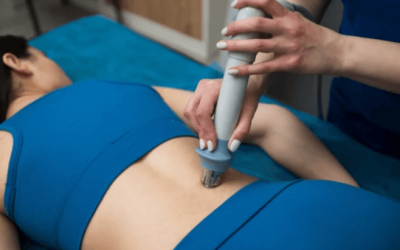
Foot shock wave therapy is a noninvasive treatment that delivers controlled acoustic pressure waves to targeted tissues around the heel and foot. It may be considered when morning heel pain continues to return with walking, exercise, or prolonged standing despite initial conservative care.
Morning heel pain often feels strongest during the first few steps after getting out of bed. The discomfort may ease as the foot warms up, only to return later after physical activity or extended time on the feet. This pattern is commonly associated with irritation of the plantar fascia, although other conditions can cause similar symptoms.
Why Does Heel Pain Feel Worse in the Morning?
The plantar fascia is a strong band of connective tissue that runs along the bottom of the foot. It helps support the arch and manages force as the foot contacts the ground.
When this tissue becomes irritated, it may tighten during periods of rest. The first steps taken in the morning suddenly place tension through the area, which can produce sharp or pulling discomfort near the heel.
Symptoms may improve after several minutes of movement because the tissues gradually become more flexible. However, long walks, running, court sports, work shifts, or standing on hard surfaces can place repeated stress on the foot and cause the pain to return.
Morning heel pain is not always caused by the plantar fascia. Heel-pad irritation, nerve involvement, stress injuries, arthritis, Achilles tendon concerns, and other conditions may create overlapping symptoms. A proper evaluation is therefore important before beginning treatment.
What Is Extracorporeal Shock Wave Therapy?
Extracorporeal shock wave therapy uses a device outside the body to send acoustic energy into a selected treatment area. The term “extracorporeal” simply means that the energy originates outside the body.
Despite the name, the treatment does not deliver an electrical shock. A handheld applicator produces rapid pressure pulses that travel through the skin into the targeted soft tissue.
This mechanical stimulation is intended to influence tissue activity and support the body’s natural repair processes. Shockwave therapy treatment may also help reduce tissue sensitivity and improve movement in some people with persistent musculoskeletal conditions.
Research into plantar heel pain has produced mixed but generally encouraging findings. Some reviews report improvements in pain and foot function, while other studies have found that shockwave therapy did not provide additional benefits when compared with certain combinations of advice, exercise, and foot orthoses.
How Does Foot Shock Wave Therapy Differ From Other Treatments?
Foot shock wave therapy does not require an incision, injection, or surgical procedure. It is usually performed in an outpatient setting, and the patient remains awake throughout the session.
A conductive gel is placed over the treatment area. The provider then moves the applicator across specific parts of the heel or foot while adjusting the treatment intensity according to the patient’s tolerance and clinical findings.
The sensation is often described as quick tapping or pulsing. Sensitive areas may feel uncomfortable during treatment, but the level can usually be modified.
Unlike massage, shockwave therapy relies on acoustic pressure rather than direct kneading or sustained manual pressure. It is also different from therapeutic ultrasound, although both treatments use equipment applied to the skin.
When May Chiropractic Shockwave Therapy Be Considered?
Chiropractic shockwave therapy may be considered when heel pain has become persistent and an examination suggests that the plantar fascia or another appropriate soft-tissue structure is involved.
It may be relevant for people whose symptoms interfere with walking, exercise, work, or recreational activities. A provider may also consider it when basic rest and activity changes have not produced lasting improvement.
The treatment should not be used automatically for every painful heel. A chiropractic clinic should first review how the pain began, where it is located, what activities aggravate it, and whether numbness, swelling, bruising, or weakness is present.
The examination may include foot and ankle mobility, calf flexibility, walking mechanics, balance, lower-body strength, footwear, and recent changes in activity. These findings help determine whether shockwave therapy is appropriate and what other support may be needed.
Is Shockwave Therapy a Complete Treatment Plan?
Shockwave therapy is usually most useful when it is part of a broader approach rather than the only form of care.
A treatment plan may also include temporary activity changes, footwear guidance, mobility exercises, progressive strengthening, or recommendations for reducing repetitive stress. Some patients may benefit from addressing calf tightness, ankle restrictions, or lower-body movement patterns that increase pressure through the heel.
Rest alone may reduce symptoms temporarily without improving the foot’s ability to tolerate activity. Conversely, continuing to walk or exercise through increasing pain may further irritate the tissue.
A gradual return to activity is often more appropriate than moving directly from complete rest to full exercise. The specific plan should reflect the condition, the patient’s daily demands, and their response to care.
When Does Heel Pain Need Prompt Medical Attention?
Prompt medical evaluation is important when heel pain follows a significant fall, collision, or sudden injury. Inability to bear weight, major swelling, visible deformity, extensive bruising, or a snapping sensation may indicate a more serious injury.
Medical attention is also appropriate when pain occurs with fever, spreading redness, an open wound, increasing warmth, calf swelling, or signs of infection. Numbness, burning, progressive weakness, or symptoms affecting both feet may require evaluation for nerve or systemic health concerns.
People with diabetes, reduced circulation, or impaired sensation should be especially careful about new foot symptoms. Treatment should not begin until relevant risks have been reviewed.
How Can Daily Habits Support Heel Recovery?
Supportive shoes may reduce strain during long periods of walking or standing. Worn-out footwear, abrupt increases in exercise, and repeated barefoot walking on hard surfaces may aggravate symptoms in some people.
Brief mobility work before the first steps of the day may help prepare the foot and calf for movement. However, aggressive stretching should be avoided when it sharply increases pain.
Strengthening the foot, ankle, calf, and hip may also improve how force is managed during activity. Exercises should be progressed gradually rather than performed through worsening symptoms.
Where Can Goodyear Adults Learn About Treatment?
Adults researching Foot Shock Wave Therapy can review how Agape Family Chiropractic describes this noninvasive approach within their available chiropractic services. They provide shockwave care at their chiropractic office in Goodyear, AZ, after evaluating whether the treatment fits the patient’s condition and goals.
Morning heel pain should not be treated based only on where it hurts. Identifying the involved tissue and the activities that repeatedly load it can lead to a safer and more appropriate plan. Shockwave therapy may support recovery for some patients, but realistic expectations, proper screening, and gradual rehabilitation remain important.